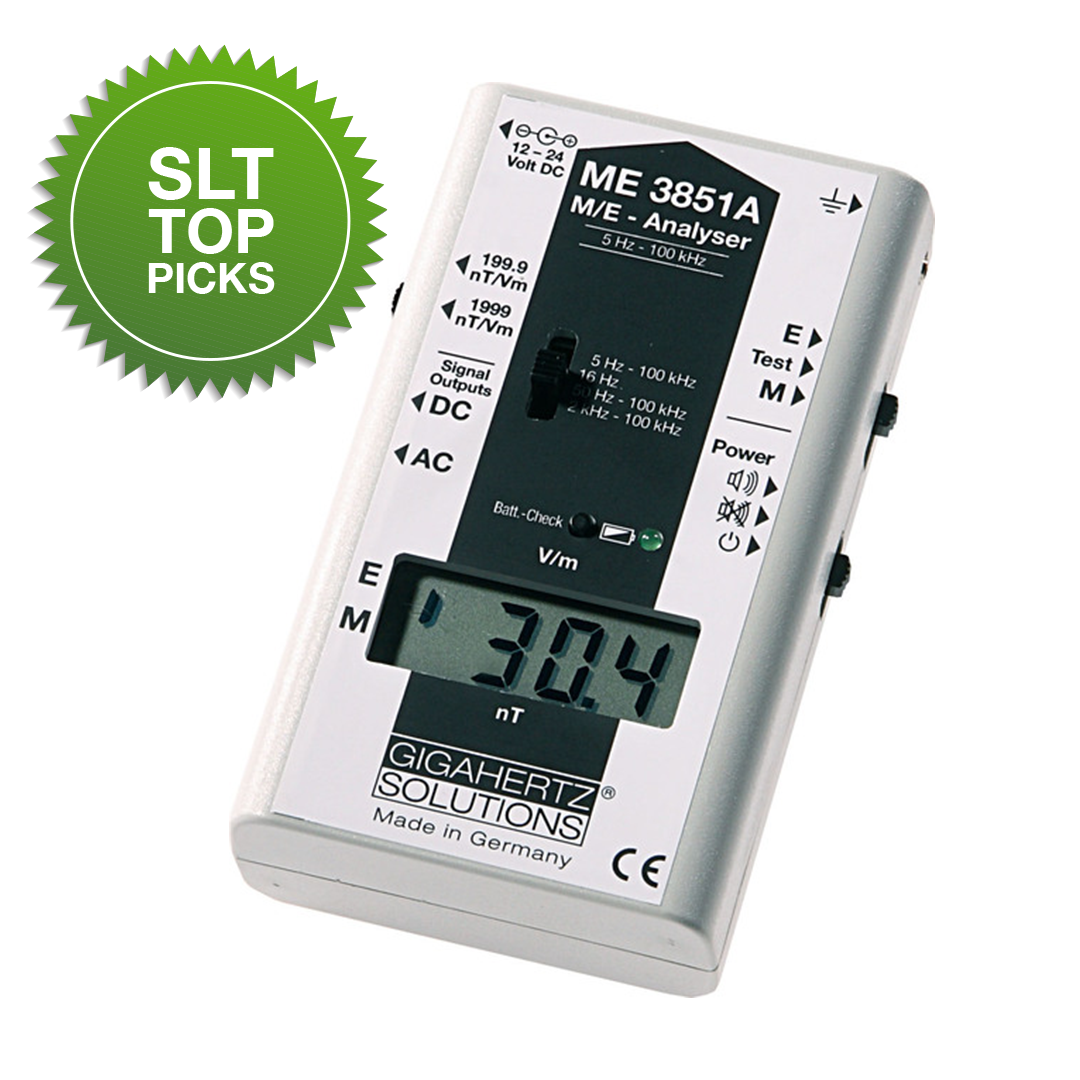
Basic tolerance defines the accuracy of an instrument under standard test conditions. It indicates how closely the displayed measurement reflects the true value when the device is used within specific ranges of frequency, temperature, and humidity. By clearly stating this tolerance, manufacturers provide transparency and set realistic expectations for both professionals and everyday users.
For many of our instruments, tolerance is expressed as a percentage plus a number of digits, for example “±2% ±7 digits.” The percentage describes the relative variation from the true measurement, while the digits account for the resolution of the display. Together, they ensure that readings remain reliable and repeatable across normal operating environments. This is especially useful for power analyzers, clamp meters, and instruments that must handle both low and high current ranges with consistent accuracy.
Other instruments express basic tolerance in decibels (dB) or in ranges tied to measurement angles and frequencies, such as “±3% at 45 Hz–5 kHz.” These details highlight how accuracy may vary depending on signal conditions and application, providing professionals with the context needed to interpret results correctly in the field.
Understanding basic tolerance helps users balance precision with practicality. A tighter tolerance means results can be trusted in applications where even small deviations matter, such as laboratory analysis or professional EMF consulting. Broader tolerances are still perfectly suited for everyday evaluations, troubleshooting, and comparisons where reliable guidance is more important than pinpoint laboratory precision.
By presenting this attribute clearly, Safe and Sound reinforces the commitment to dependable, transparent measurements. Whether you are carrying out detailed technical assessments or making informed decisions at home, knowing the basic tolerance of your instrument builds confidence that the data you see is both meaningful and trustworthy.